
Dumpster Rental in Danbury, CT, for Tenant Turnovers and Rental Property Cleanouts

What’s In This Guide
A tenant turnover can look simple on a calendar: collect the keys, clean the unit, make repairs, and welcome the next renter. In practice, one abandoned sofa, stained carpet, broken cabinets, damaged drywall, and bags of bulk trash can delay every step that follows.
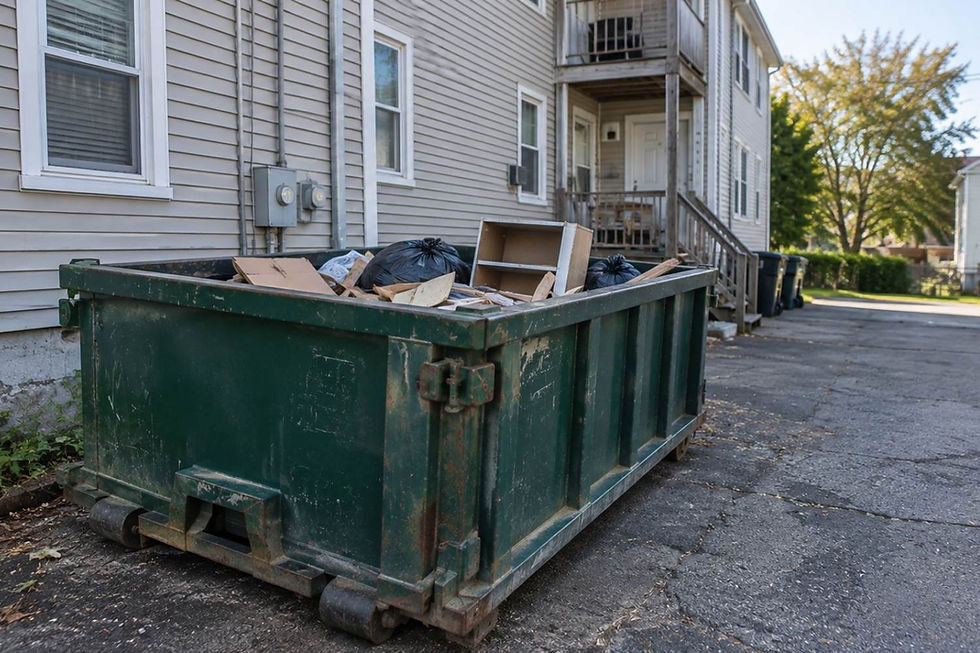
For landlords, property managers, realtors, and investors, a roll-off container creates one controlled place for approved debris. It reduces repeated dump runs and keeps the turnover sequence organized. The key is to arrange the rental around lawful possession, material sorting, access, and the repair schedule.
Quick Facts
Confirm that you have the legal right to remove belongings before the cleanout begins.
Inspect and document the unit, then separate reusable, recyclable, restricted, and approved dumpster materials.
Choose a 10-, 15-, or 20-yard container based on volume, debris type, and repair scope rather than bedroom count alone.
Follow a simple sequence: inspect, sort, rent, load, schedule pickup, and prepare the unit for repairs.
Keep paint, chemicals, batteries, electronics, and other special materials out unless the rental provider confirms an approved option.

Why Tenant Turnovers Create More Debris Than Expected
A move-out cleanout rarely produces a single, predictable waste stream. Property teams may encounter furniture, bagged trash, cardboard, clothing, mattresses, electronics, carpeting, doors, cabinets, and damaged household materials in the same unit. Repairs can add drywall, underlayment, countertops, trim, flooring, fixtures, and product packaging.
Before ordering a tenant cleanout dumpster, property managers should answer three questions: Which belongings may they legally remove? Which materials require donation, recycling, or special handling? Which materials does the dumpster provider allow in the roll-off container? Separating these categories early can reduce disposal problems, prevent rejected loads, and help the team choose an appropriate container.
Before Cleanup, Confirm Possession and Document the Unit
Do not assume a unit has been abandoned simply because it appears vacant. Connecticut law establishes specific procedures for handling abandoned property. For example, Section 47a-11b of the Connecticut General Statutes addresses one abandonment scenario and outlines requirements for notice, reentry, inventory, and storage. It includes provisions for notice by regular and certified mail, a 10-day contact period in the situation covered by the statute, and at least 30 days of storage for inventoried belongings.
Eviction, voluntary surrender, the death of a tenant, and an uncertain vacancy may each require different procedures. Follow the lease, company policies, applicable court orders, and guidance from a qualified Connecticut attorney before removing personal property. This article provides general planning information and does not constitute legal advice.
Once you have authority to proceed:
Photograph every room, closet, storage area, and access point.
Create a detailed written inventory of remaining items.
Separate sensitive belongings, such as:
Keys
Mail
Identification documents
Medications
Financial records
Photographs
Other personal or confidential items
Maintain thorough documentation to support vendor instructions, repair estimates, insurance records, and owner reporting.
How to Plan a Tenant Cleanout Dumpster in Six Steps
1. Inspect the Unit and Access Route
Estimate bulky items, flooring, cabinets, and likely repair debris. Check stairways, elevators, gates, overhead wires, parked vehicles, and the path from the unit to the proposed container location.
Flag suspected asbestos-containing materials, deteriorating lead-based paint, sewage, extensive mold growth, chemical spills, pest contamination, or exposed needles. Do not ask a general cleanup crew to handle suspected hazardous materials without an appropriate assessment.
2. Sort Before the Container Arrives
Create zones for reuse or donation, recycling, sensitive property, special handling, and approved dumpster debris. Sorting first prevents workers from throwing everything into the nearest container under time pressure.
The Connecticut Department of Energy and Environmental Protection (DEEP) states that recycling is mandatory for residents, businesses, and institutions. Its current guidance identifies covered household electronics and lead-acid batteries among the materials banned from disposal. It also lists paint, mattresses, and mercury thermostats under product stewardship programs. Multifamily properties must separate designated recyclables from other solid waste.
Ask the dumpster provider about every questionable item before delivery. Furniture, appliances, electronics, paint, pressurized cylinders, tires, and mattresses may be subject to different acceptance and disposal requirements.

3. Rent the Right Container for the Actual Volume
A cubic yard measures volume, not weight. Dense materials such as plaster, tile, wet carpet, concrete, and masonry can reach the included weight allowance before the container appears full.
Choose the dumpster size based on both the amount and type of debris:
10-yard dumpster: May be suitable for smaller turnovers involving bagged trash, boxes, light furniture, and limited flooring or repair debris.
15-yard dumpster: May be appropriate for multi-room cleanouts involving several pieces of furniture, carpeting, shelving, and limited kitchen or bathroom demolition debris.
20-yard dumpster: May suit larger apartments, rental homes, or turnovers that combine move-out debris with approved renovation materials, making it a great choice for comprehensive apartment junk removal.
4. Load Safely and Deliberately
Use the container door when available. Distribute the load evenly, and break down furniture only when workers can do so safely. Keep walking paths clear, and assign one person to monitor the materials placed in the container.
Do not load materials above the fill line. Do not allow workers to climb into a loaded container or throw materials into it from an upper level. Protect the pavement when appropriate, keep unauthorized people away, and maintain clear access for the truck.
5. Complete a Final Check and Schedule Pickup
Remove prohibited or unapproved items, close the container door, make sure no materials project above the rim, and move any vehicles that could block the truck. Photograph the finished load for the project record.
Coordinate the pickup with the next phase of the turnover. A repair contractor may still need the container for approved demolition debris, while flooring or painting crews may need the placement area cleared. Verify the pickup schedule with the rental provider rather than assuming the container will be removed at an exact time.
6. Prepare the Empty Unit for Repairs
After the bulk debris has been removed, inspect the subfloors, walls, cabinets, plumbing areas, windows, locks, detectors, and any building components that were concealed during the first walkthrough. Update the repair scope, schedule qualified trades, complete the detailed cleaning, and take final photographs.
This handoff separates the bulk cleanout from make-ready work. The cleanout crew removes approved debris, qualified trades address building systems and regulated materials, cleaners prepare the surfaces, and leasing staff receives a documented unit.
Materials That Need Special Attention
Not everything from a tenant turnover can go into a roll-off dumpster. DEEP identifies household hazardous waste materials such as oil-based paints, paint thinners, pool chemicals, pesticides, mercury-containing products, and gasoline. Unless the dumpster provider offers a specific, lawful disposal option, these materials should not be placed in a tenant cleanout dumpster.
Also verify disposal requirements for items such as:
Electronics and batteries
Fluorescent lamps and mercury-containing thermostats
Paint and paint-related products
Mattresses and tires
Refrigerators, freezers, air conditioners, and other refrigerant-containing appliances
Propane cylinders and other pressurized tanks
Liquid-filled containers
Acceptance requirements vary depending on the material, its condition, and the policies of the receiving disposal or recycling facility. Confirm that each material is permitted before loading the dumpster.
A roll-off dumpster is designed for approved waste and debris. It does not replace proper hazardous-material identification, compliance with applicable regulations, or licensed remediation when regulated materials are present.
A Simple Tenant Turnover Timeline
The exact schedule depends on possession, labor, repairs, and container availability, but this sequence keeps dependencies visible:
Before Day 1: Confirm possession, legal authority, and internal approval.
Day 1: Inspect, photograph, inventory, and estimate debris.
Day 2: Sort reuse, recycling, special materials, and approved dumpster debris.
Day 2 or 3: Arrange the container rental and confirm the placement area, delivery schedule, pickup process, and acceptance requirements for any questionable materials.
Days 3 through 5: Load cleanout debris, then add approved repair debris if the rental plan allows it.
Day 6: Perform the final load check and confirm pickup.
Day 7: Reinspect the unit and release it for repairs, cleaning, and leasing preparation.
Treat this timeline as a planning example, not as a guarantee of delivery or pickup timing. Allow additional time for multi-unit cleanouts, legal holds, and projects involving specialty contractors.

Common Property Management Cleanup Mistakes
Many cleanup delays and added costs can be avoided through better planning. Common mistakes include:
Ordering the dumpster too early or too late for the turnover schedule.
Choosing a dumpster based on bedroom count rather than the actual volume and type of debris.
Failing to account for repair materials such as drywall, flooring, or cabinets.
Mixing prohibited or recyclable materials with general waste.
Loading heavy materials without confirming the applicable weight limits.
Blocking the pickup route or assuming that all bulky items will be accepted.
Before renting, complete a quick inventory of the expected debris and discuss any special materials with the dumpster provider.
Property managers overseeing multiple locations can improve estimates and streamline future projects by using consistent inspection checklists, material categories, vendor questions, and closeout records for every turnover.
Frequently Asked Questions
What size dumpster is best for an apartment cleanout?
The right size depends on the debris volume, the shape of bulky items, material density, and the repair scope. A 10-yard container may suit a light cleanout, a 15-yard container may accommodate more furniture and flooring, and a 20-yard container may be appropriate for a larger turnover or a combined cleanout and renovation project. Describe the full material mix to the provider before selecting a size.
Can abandoned furniture go in a dumpster?
Furniture may be accepted after the property team has obtained legal authority to remove it and the rental provider has confirmed that the item is permitted. Do not skip any applicable possession, notice, inventory, or storage requirements.
Can carpet, cabinets, and drywall go in the same container?
Carpet, cabinets, and drywall may be accepted in the same load, but their condition and combined weight can affect the rental plan. Wet carpet, plaster, tile, concrete, and other dense materials may use the weight allowance quickly. Confirm the complete material mix with the provider before loading.
What should I do with paint, electronics, batteries, or mattresses?
Separate these items and ask the provider or local waste authority about the appropriate disposal or recycling option. Connecticut disposal bans, recycling requirements, and product stewardship programs apply to several of these materials. Never conceal them beneath ordinary debris.
How far ahead should a property manager schedule a dumpster?
Contact the provider once the possession date, placement area, expected debris, and labor schedule are reasonably clear. Planning ahead generally provides more flexibility, but container availability and delivery timing must still be confirmed.
Find the Right Dumpster for a Danbury Rental Property Cleanout
A successful turnover starts with the right sequence. Confirm legal authority, inspect the unit, sort the materials, choose a container based on the actual debris volume and type, load approved materials carefully, coordinate the pickup, and release the space for repairs.
A.J. Novella Roll-Off Services provides 10-, 15-, and 20-yard dumpster rentals for residential and commercial projects in Danbury, CT, and surrounding service areas. Standard rental periods are seven days, with extensions available upon request.
Request a free quote and provide details about the rental property, expected debris, preferred placement area, and project schedule. Contact A.J. Novella Roll-Off Services to confirm container availability.


