Danbury, CT, Roll-Off Dumpster Size Guide

Updated: Jun 1

Choosing the right roll-off dumpster rental can keep a garage cleanout, renovation, roofing job, or construction project moving without unnecessary delays or extra hauling costs. One of the most common questions homeowners and contractors ask is: How big a dumpster do I need?
The answer depends on the type of debris, the volume of waste, and the weight of the materials being discarded. Selecting the wrong container can lead to overage fees, limited space, or the need for multiple pickups.
What’s In This Guide
Quick Facts
20-yard dumpsters work well for many home projects.
Heavy debris requires careful weight planning.
Most roll-off dumpsters are about 8 feet wide.
Estimating debris volume helps avoid extra costs.
Danbury disposal rules may apply to restricted materials.
What Is a Roll-Off Dumpster?
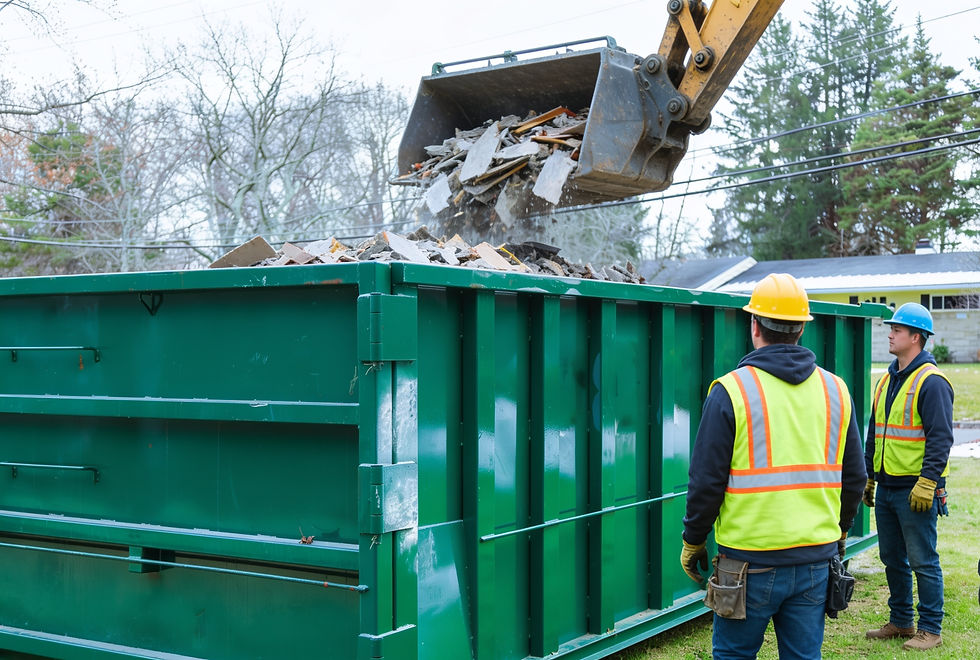
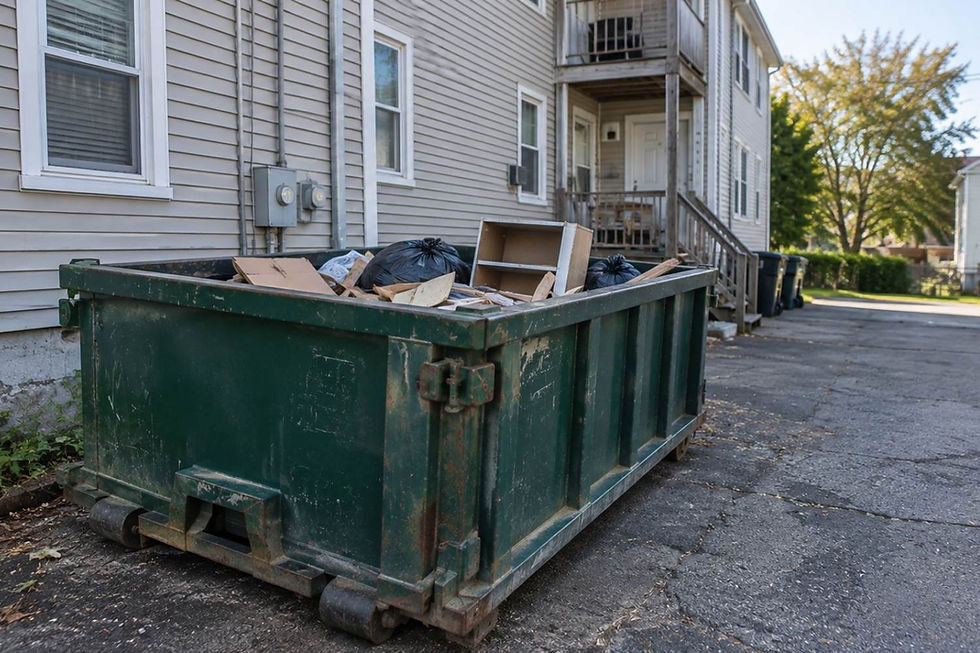
A roll-off dumpster is a large open-top waste container delivered by a specialized truck and removed after the container is filled. These dumpsters are commonly used for temporary waste disposal during projects that generate more debris than standard trash collection can handle.
Typical uses include:
Home cleanouts
Remodeling projects
Roofing jobs
Yard debris removal
Construction and demolition cleanup
Commercial property cleanouts
Unlike permanent waste containers, roll-off dumpsters are intended for short-term use and come in 10-, 15-, and 20-yard dumpster sizes to match different project needs.

Common Roll Off Dumpster Sizes and Dimensions
Understanding standard dumpster dimensions helps determine which container best fits your project and available space.
10-Yard Dumpster
A 10-yard dumpster is a compact option for smaller cleanouts and light renovation debris. It is often a practical choice when you need a roll-off dumpster rental for a garage, basement, or attic project without taking up too much driveway space.
Typical Dumpster Dimensions
12 feet long x 8 feet wide x 3 feet high
Capacity
About 4 pickup truck loads
Best For
Small basement cleanouts, garage cleanouts, attic cleanup, bathroom remodels, minor landscaping debris, and small deck removal.
Because of its lower height and smaller footprint, a 10-yard container is easier to load and often fits well in residential driveways.
15-Yard Dumpster
A 15-yard dumpster offers more room than a 10-yard container while still being manageable for residential use. This size works well when the debris volume is moderate, but the project does not require a larger container.
Typical Dumpster Dimensions
14 feet long x 8 feet wide x 4.5 feet high
Capacity
About 6 pickup truck loads
Best For
Deck renovation, large cleanups, room remodeling, garage cleanouts, flooring removal, small kitchen renovations, and medium-sized decluttering projects.
This option is useful when a 10-yard dumpster may be too limited, but a 20-yard dumpster would provide more space than the project requires.
20-Yard Dumpster
A 20-yard dumpster is a strong choice for larger residential projects because it provides more capacity while still fitting many job sites. For homeowners asking, “How big a dumpster do I need?” this size often works well for heavier or higher-volume projects.
Typical Dumpster Dimensions
14 feet long x 8 feet wide x 5 feet high
Capacity
About 8 pickup truck loads
Best For
Residential roofing, large renovation projects, large room remodels, basement or attic cleanouts, and multi-room junk removal.
A 20-yard container gives homeowners and contractors more flexibility for projects that generate bulky debris, such as shingles, drywall, cabinetry, flooring, and renovation materials.
How Big a Dumpster Do I Need? A Practical Project Guide
Choosing the correct size of a dumpster depends on both debris volume and material type.
Household Cleanouts
For a single-room cleanout, a 10-yard dumpster is usually sufficient. Larger cleanouts involving garages, attics, or basements often require a 15- or 20-yard container.
Whole-property cleanouts or estate cleanups may need a 20-yard dumpster, a swap-out, or guidance from A.J. Novella depending on the volume of furniture and bulky materials.
Remodeling Projects
Small remodeling jobs generate less debris than full renovations.
Common recommendations:
Bathroom remodel: 10-yard dumpster
Kitchen remodel: 15- or 20-yard dumpster
Multi-room renovation: 20-yard dumpster or scheduled swap-out
Drywall, cabinets, flooring, and fixtures can accumulate faster than many homeowners expect.
Roofing Projects
Roofing debris is heavy, especially asphalt shingles. Dumpster selection should account for both volume and weight limits.
For example:
Small roof replacement: 10-yard dumpster
Medium residential roof: 20-yard dumpster
Large roofing projects: 20-yard dumpster or planned swap-out
Construction and Demolition Debris
Construction materials like concrete, brick, dirt, and asphalt are significantly heavier than household junk.
The Connecticut Department of Energy & Environmental Protection provides guidance on environmental, health, and safety requirements for renovation and demolition projects in Connecticut.
For heavy debris:
Smaller containers may be preferred to avoid exceeding weight limits.
Before loading concrete, masonry, dirt, or asphalt, confirm accepted materials and weight guidance with A.J. Novella.

How to Choose the Right Roll-Off Dumpster Rental Size
Selecting the right roll-off dumpster rental becomes easier when you follow a structured process.
Step 1: Identify the Type of Debris
Different materials affect both volume and weight.
Common debris categories include:
Household junk
Yard waste
Roofing shingles
Construction debris
Concrete and masonry
Some materials may require separate disposal procedures.
Step 2: Estimate Debris Volume
Estimate how many pickup truck loads your project may generate.
As a general guideline:
10-yard dumpster = about 4 pickup truck loads
15-yard dumpster = about 6 pickup truck loads
20-yard dumpster = about 8 pickup truck loads
Bulky items like furniture and cabinetry can consume space quickly.
Step 3: Consider Weight Limits
A dumpster may appear half-full but still exceed weight restrictions if filled with dense materials.
Heavy materials include:
Concrete
Brick
Dirt
Asphalt shingles
Ignoring weight limits can result in additional disposal charges.
Step 4: Measure Placement Space
Before delivery, confirm there is enough room for:
Dumpster placement
Truck access
Overhead clearance
Driveways should also remain clear of low branches, wires, or parked vehicles.
Step 5: Check Restricted Materials
Many standard dumpsters prohibit hazardous materials.
Restricted items may include:
Paint
Chemicals
Batteries
Tires
Electronics
Propane tanks
The City of Danbury Recycling and Solid Waste Division oversees solid waste programs, yard waste management, and regional household hazardous waste collection events.
| MORE ON THIS TOPIC: How to Load a Roll-Off Dumpster Properly: Weight Limits, Even Loading, & Safety Tips
Danbury, CT, Disposal Considerations
Waste disposal rules can vary by municipality and material type. Residents and contractors in Danbury should verify local requirements for recycling and waste handling.
The Housatonic Resources Recovery Authority provides solid waste and recycling information for Danbury residents in partnership with the City of Danbury.
Items that may require special handling include:
Electronics
Appliances
Yard waste
Household hazardous waste
Construction materials
Understanding local guidelines before renting a dumpster helps avoid disposal complications later.
4 Benefits of Choosing the Right Dumpster Size
Selecting the proper dumpster size can make a project more efficient, safer, and easier to manage. Whether you are handling a home renovation or a property cleanout, the right container helps reduce delays and unnecessary costs.
1. Helps Avoid Extra Disposal Costs
Renting a dumpster that is too small can lead to overage fees or the need for an additional haul. On the other hand, renting a container that is far too large may mean paying for unused capacity.
Choosing the appropriate dumpster size helps balance:
Disposal efficiency
Weight limits
Hauling costs
Project timelines
Accurate sizing can also help prevent unexpected charges related to overloaded containers.
2. Improves Jobsite Safety
Construction debris, renovation waste, and household junk can quickly create cluttered work areas. A properly sized dumpster helps keep debris contained and organized throughout the project.
Keeping waste consolidated in a designated container may help reduce:
Trip hazards
Sharp debris exposure
Material pileups
Blocked walkways
3. Makes Cleanup More Efficient
A properly sized roll-off dumpster rental allows debris to be removed continuously instead of piling up around the property. This can improve workflow during remodeling, roofing, or demolition projects.
Efficient waste handling is especially important for:
Roofing projects
Multi-room renovations
Estate cleanouts
Commercial construction
Having enough disposal space from the start can help projects stay on schedule.
4. Reduces Stress During Large Projects
Large cleanouts and renovation projects often create more waste than expected. Choosing the correct dumpster size provides flexibility for unexpected debris and bulky materials.
This is particularly helpful when disposing of:
Old furniture
Cabinets
Flooring
Drywall
Roofing shingles
Construction debris
Planning ahead with the right dumpster size helps simplify the cleanup process from beginning to end.

What Can and Cannot Go in a Roll-Off Dumpster?
Understanding what materials are accepted in a roll-off dumpster rental helps prevent disposal delays, contamination issues, and additional fees. While many common household and construction materials are allowed, certain items may require special disposal methods under local or state regulations.
Commonly Accepted Materials
Most standard dumpster sizes can handle a wide range of non-hazardous waste generated from residential and commercial projects.
Accepted materials often include:
Household junk
Furniture
Drywall
Wood
Flooring materials
Roofing shingles
Yard debris
Construction debris
Cardboard and packaging materials
These materials are commonly generated during remodeling, cleanouts, and demolition projects.
Materials That May Have Restrictions
Some items may be accepted only under specific conditions because of weight, recycling requirements, or disposal regulations.
Examples may include:
Concrete
Brick
Asphalt
Dirt
Appliances
Mattresses
Tires
Heavy materials can affect weight limits quickly, even in larger dumpsters.
Hazardous Materials Typically Prohibited
Many hazardous or environmentally sensitive materials cannot be placed in standard roll-off dumpsters due to federal, state, and local disposal regulations.
Prohibited items commonly include:
Paints and solvents
Motor oil and automotive fluids
Batteries
Propane tanks
Chemicals
Pesticides
Asbestos-containing materials
Medical waste
The U.S. Environmental Protection Agency provides guidance on household hazardous waste management and safe disposal practices.
Frequently Asked Questions (FAQs)
How far in advance should I schedule a roll-off dumpster rental in Danbury?
It is best to schedule your roll-off dumpster rental before your project begins, especially during busy construction, roofing, and spring-cleaning seasons. Booking early helps ensure the right dumpster size is available when you need it.
Do I need to be present for dumpster delivery?
In many cases, you do not need to be present as long as the placement area is clear and delivery instructions are provided in advance. Make sure vehicles, low-hanging branches, and other obstructions are removed before the truck arrives.
Can a roll-off dumpster be placed on the street in Danbury?
Street placement may require local approval or a permit, depending on the location and project. If the dumpster cannot fit in a driveway or on private property, check with the City of Danbury before scheduling delivery.
What happens if I fill the dumpster before my project is finished?
If the dumpster fills up early, you may need a pickup and replacement container. This is often called a swap-out. Choosing the right dumpster size at the start can help reduce the need for extra hauls.
How do I prepare my driveway for a roll-off dumpster?
Clear enough space for both the dumpster and the delivery truck. Remove vehicles, trash bins, toys, branches, and other obstacles. For added driveway protection, ask whether boards can be placed under the container.
Choose the Right Dumpster Size for Your Danbury Project
Choosing the right roll-off dumpster rental starts with understanding your debris type, estimated volume, available space, and material weight. A properly sized container helps keep projects organized, safe, and cost-efficient from start to finish.
For homeowners, contractors, and property managers in Danbury, CT, A.J. Novella Roll-Off Services can help match projects with the appropriate 10-, 15-, or 20-yard dumpster size for efficient waste removal.