Small Dumpster Rental Near Me for Deck, Shed, and Fence Removal Projects

Updated: Oct 2

What’s In This Guide
Quick Facts
A 10-yard dumpster may suit a small shed, short fence section, or partial deck removal.
Larger decks, sheds, roofing, bulky panels, and concrete footings may require more capacity.
Keep treated or coated wood out of clean wood and mulch piles.
Separate chemicals, batteries, propane cylinders, liquids, and suspect asbestos.
Load boards flat, control nails, distribute weight, and stay below the walls.
Removing a deck, shed, or fence creates more than a pile of old wood. Once dismantled, the structure may produce pressure-treated boards, sharp nails, buried posts, asphalt shingles, plywood, metal brackets, and rotted lumber. That material is construction and demolition debris, not ordinary leaves and brush.
For Danbury-area property owners searching for a small dumpster rental nearby, the central question is whether a compact roll-off has enough volume and weight capacity for the structure. You also need a plan for materials that should not be mixed into a standard load.
Why Outdoor Structure Removal Needs a Specific Dumpster Plan
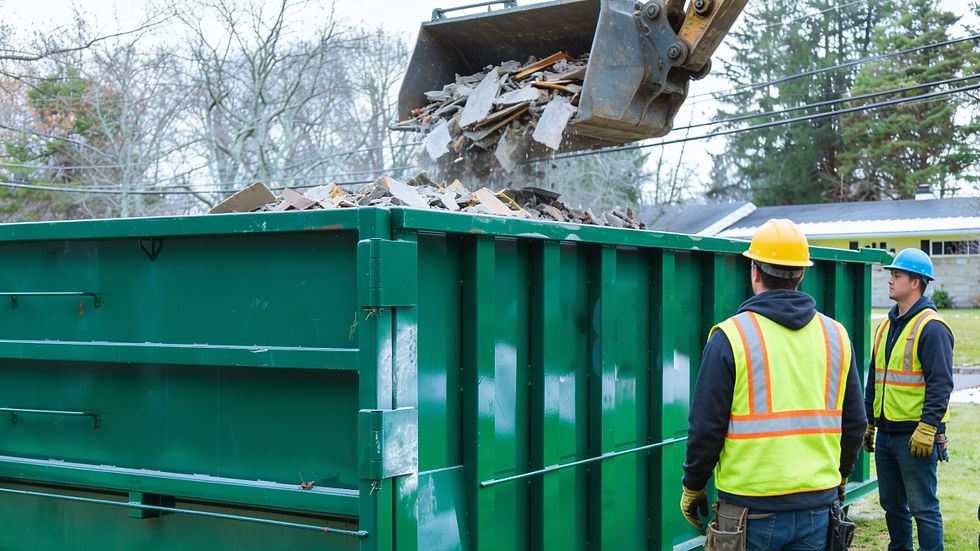
Connecticut DEEP describes construction and demolition waste as materials generated by building, renovation, repair, and demolition work, including wood, metal, and asphalt. Outdoor structures often contain treated or coated products that should not enter a clean-wood or brush pile.
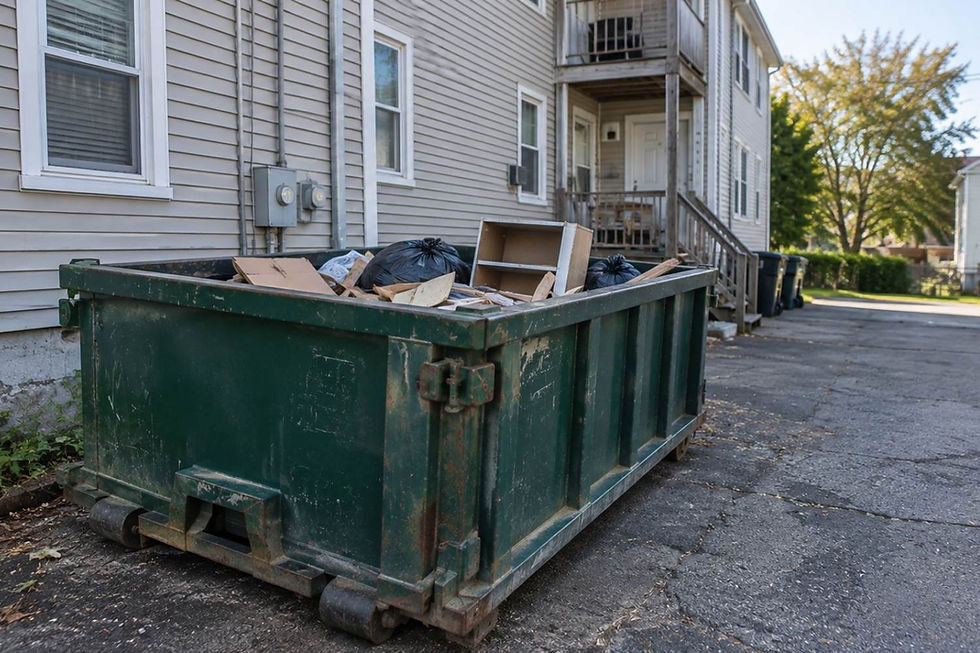
A roll-off keeps debris contained near the work area and reduces trips with loose boards in a pickup. Still, size selection matters. Randomly tossed lumber creates empty pockets, while concrete footings and shingles add weight without using much visible space.
When requesting a quote, describe the structure's dimensions, treated wood, roofing, footings, and stored contents. The rental company can then recommend a size and identify materials that need separate handling.
What Debris Comes From Deck, Shed, and Fence Removal?
Deck Demolition Debris
A wood deck can produce decking boards, joists, beams, railings, stairs, lattice, fasteners, posts, and post bases. A low platform deck generates less debris than a raised, multi-level deck with stairs and skirting. Partial resurfacing may fit a smaller container, while complete demolition usually needs more room.
Mention concrete piers or footings before booking. Dense masonry can affect loading limits even when it occupies little space.
Shed Demolition Debris
Shed debris may include framing, plywood or oriented strand board, siding, roof sheathing, shingles, doors, windows, shelving, metal, and floor panels. Remove stored paint, lawn chemicals, fuel, batteries, propane cylinders, and powered equipment before demolition. These items may follow different disposal programs.
A compact resin shed or small wood shed may fit a 10-yard container. A larger framed shed with a shingle roof may require additional volume, especially when panels remain bulky.
Fence Removal Debris
Fence removal produces posts, rails, pickets, panels, gates, wire mesh, brackets, hinges, and sometimes concrete. A short fence section may fit a small roll-off, but a full property perimeter can fill one quickly.
Control exposed fasteners as the fence comes down. OSHA's construction housekeeping standard calls for scrap lumber with protruding nails to be kept clear of work areas and passageways. That principle applies to any organized demolition site.
When Is a 10 Yard Dumpster Rental Enough?
A 10-yard dumpster is generally suited to smaller outdoor demolition and cleanup projects. Capacity varies by provider, container dimensions, debris type, and how efficiently the materials are loaded.
It may be appropriate for:
A small freestanding shed without a masonry foundation
Partial deck removal, including boards and railings
A short section of wood fencing or several damaged panels
A compact pergola or play structure
A limited amount of rotted or damaged lumber
A larger container may be more suitable for a full deck, large shed, multiple structures, bulky wall panels, roofing materials, or concrete debris. Share the project dimensions, construction materials, and photos with the rental provider before choosing a size.
The loading method also affects capacity. Neatly stacked boards generally take up less space than intact panels or assembled sections. Break materials down only when it is safe, and avoid disturbing unstable framing, questionable coatings, or materials that may produce hazardous dust.
What Not to Mix With Wood Demolition Debris
Acceptance rules vary by hauler, facility, material, and local regulation. Confirm the load before delivery.
Chemicals, Liquids, and Compressed Gas
Keep paints, stains, solvents, pesticides, oil, fuel, cleaners, and other liquids separate. The U.S. Environmental Protection Agency identifies paints, solvents, oils, batteries, pesticides, and compressed gas cylinders as household hazardous waste that needs special care. Use an authorized collection option or follow Connecticut DEEP guidance.
Batteries, Electronics, and Appliances
Do not bury propane cylinders, rechargeable batteries, power-tool batteries, electronics, or refrigerant-containing appliances in demolition debris. These items can create fire, chemical, or handling hazards and may require separate recycling or recovery.
Suspected Asbestos, Lead, or Other Regulated Materials
Older roofing, siding, coatings, and accessory components may contain regulated substances. Connecticut DEEP notes that C&D waste can contain asbestos and lead. Stop work and consult a qualified professional when material is suspect. Do not break it apart or place it in a standard roll-off based on appearance alone.
Yard Waste, Soil, and Stumps
Branches, leaves, soil, and stumps are different from demolition lumber. Pressure-treated, painted, stained, plywood, and construction wood should not be treated as clean brush or chipped for landscape use.
Concrete, Brick, and Stone
Masonry is dense. Even a modest amount can change the load's weight. Ask whether footings, blocks, brick, or stone can be included and whether separate loading rules apply.
How to Load Long Boards Safely and Efficiently
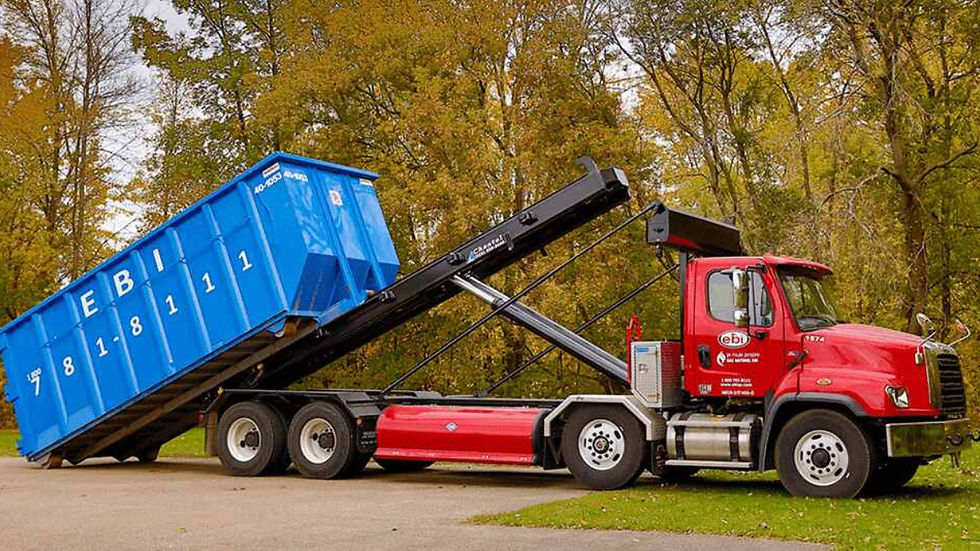
1. Clear the Route
Keep children, pets, tenants, and unnecessary workers away from the loading area. Remove trip hazards between the structure and the dumpster.
2. Check Every Piece
Look for nails, screws, staples, splinters, and metal hardware. Remove or bend exposed fasteners when practical. Use task-appropriate gloves, sturdy footwear, and eye protection.
3. Shorten Oversized Boards Safely
Cut pieces only when the material is known and stable. Connecticut DEEP recommends using goggles and taking appropriate dust precautions when sawing treated wood.
4. Get Help With Bulky Lumber
OSHA advises seeking assistance when a load is too bulky to grasp, blocks your view, or cannot be handled safely. Use two people for long or awkward sections.
5. Lay Boards Flat
Place long, flat materials lengthwise when possible. Alternate their orientation to reduce empty spaces and create a stable base.
6. Spread the Weight
Distribute heavy posts, shingles, concrete, and other dense materials throughout the container rather than piling them at one end.
7. Stay Below the Fill Line
Nothing should extend above or beyond the dumpster walls. Do not balance boards or other materials across the top.
8. Stay Out of the Container
Load manageable pieces from ground level. If debris shifts or becomes jammed, stop and use a safer method instead of climbing onto an unstable pile.
Step-by-Step Plan for Deck, Shed, or Fence Removal
Inspect the Structure: Identify treated wood, shingles, metal, concrete, chemicals, utilities, unstable sections, and any suspect materials.
Measure and Photograph It: Record the deck dimensions, shed footprint, fence length, and major construction features.
Sort Before Demolition: Separate reusable lumber, scrap metal, hazardous products, electronics, yard waste, and general debris.
Choose the Container: A 10-yard dumpster rental may fit a compact or partial project. Select a larger container when the expected volume or weight is uncertain.
Prepare the Delivery Area: Choose a firm, accessible location and clear vehicles, gates, branches, and other obstacles. Ask about placement requirements and driveway protection.
Dismantle in a Controlled Sequence: Empty the structure first, then remove nonstructural parts, roofing or siding, and framing as appropriate. Hire a qualified contractor for unstable or complex structures.
Inspect the Load: Keep all materials below the dumpster walls and remove any unapproved items before pickup.
Schedule Pickup: Confirm the included rental period, pickup process, and any extension options with the provider. Request pickup early enough to avoid delays or additional rental charges.
Frequently Asked Questions
Do I need a permit to place a dumpster on the street?
Street placement may require municipal approval or a temporary permit. Confirm local requirements before delivery, especially if the container could affect parking, traffic, sidewalks, or public access.
How far in advance should I reserve a small dumpster?
Reserve the container once the demolition date is reasonably certain. Booking ahead provides more flexibility when selecting the preferred delivery date, particularly during busy construction and cleanup seasons.
Should I cover the dumpster when it rains?
A secured tarp may help keep rainwater out and prevent lightweight debris from blowing away. Ask whether covering the container is permitted and how the tarp should be removed or secured before collection.
How can I prevent unauthorized dumping?
Place the dumpster in a visible or controlled area when possible. Temporary fencing, lighting, signs, or an approved locking system may discourage neighbors or passersby from adding unapproved materials.
Are there restrictions on when I can load the dumpster?
Local noise ordinances, neighborhood rules, leases, or homeowners association policies may limit demolition and loading hours. Review applicable requirements before starting early in the morning, working late, or loading on weekends.
Plan the Right Dumpster for Your Outdoor Demolition Project
Deck, shed, and fence removal can generate bulky debris, including long boards, shingles, metal, and concrete. Measuring the structure and identifying the materials can help determine whether a 10-yard dumpster is enough or a larger container is needed.
A.J. Novella Roll-Off Services provides 10-, 15-, and 20-yard dumpsters throughout Danbury and nearby communities. We can help you choose the right size based on your project, debris, and placement area.
Request a free quote or call us to schedule dumpster delivery.