Dumpster Near Me vs. Junk Removal: Which Is Better for a Home Cleanout?

What's in This Guide
Quick Facts
A junk removal crew can make sense for a few bulky items when you want someone else to lift and haul them away quickly.
A dumpster rental is often more practical for larger cleanouts that involve multiple rooms, several days of sorting, or mixed household debris.
The better choice depends on four factors: how much you have, how quickly it must go, who will do the lifting, and how predictable you want the disposal process to be.
Before loading any cleanout container, confirm material restrictions. Household hazardous waste and certain regulated items require separate handling.
For Greater Danbury homeowners, local rules and municipal options can affect how furniture, mattresses, electronics, and other bulky items should be handled.
If you are clearing out a home, one of the first questions is simple: should you search for a dumpster nearby or hire a junk removal crew?
Both options can solve the same broad problem, but they work very differently. Junk removal is a labor-based service. A crew arrives, removes the items you identify, loads them, and leaves. A roll-off dumpster rental gives you a container on site so you can sort, load, and clean at your own pace during the rental period.
For one old couch, the convenience of a removal crew may be hard to beat. For a basement packed with boxes, broken furniture, shelving, carpeting, and years of accumulated clutter, a dumpster can provide more control and breathing room.
The right choice comes down to project size, timeline, labor, and the type of material you need to remove.

Dumpster Rental vs. Junk Removal: The Quick Answer
Choose junk removal when the job is small, the items are already identified, and you want a crew to handle the lifting. Choose a dumpster rental when the cleanout is larger, you expect to work over several days, or you want one place to collect mixed debris as you sort through the property.
When Junk Removal Is the Better Fit
Junk removal can be the simpler option when the amount of material is limited and the main challenge is physical labor.
You Only Need to Remove One or Two Bulky Items
Suppose you are replacing a couch, mattress, or dining set and have no other cleanup planned. Hiring a crew to carry the items out may be more convenient than arranging a full dumpster rental.
You Want the Work Done in One Visit
Junk removal is designed around speed. Once you decide what goes, the crew can remove those items during the scheduled appointment.
You Do Not Want to Handle the Lifting
Labor is the biggest practical difference between these services. With junk removal, lifting and carrying are part of the service. With a dumpster rental, you or your helpers are responsible for moving the material into the container.
When a Dumpster Rental Is the Better Junk Removal Alternative
A roll-off container becomes more useful as the project gets larger, less predictable, or more spread out over time.
You Are Cleaning Out a Basement, Garage, Attic, or Entire Home
Large cleanouts usually involve more than one category of waste. You may have broken furniture, cardboard, old household goods, carpeting, shelving, renovation leftovers, and general clutter all in the same project.
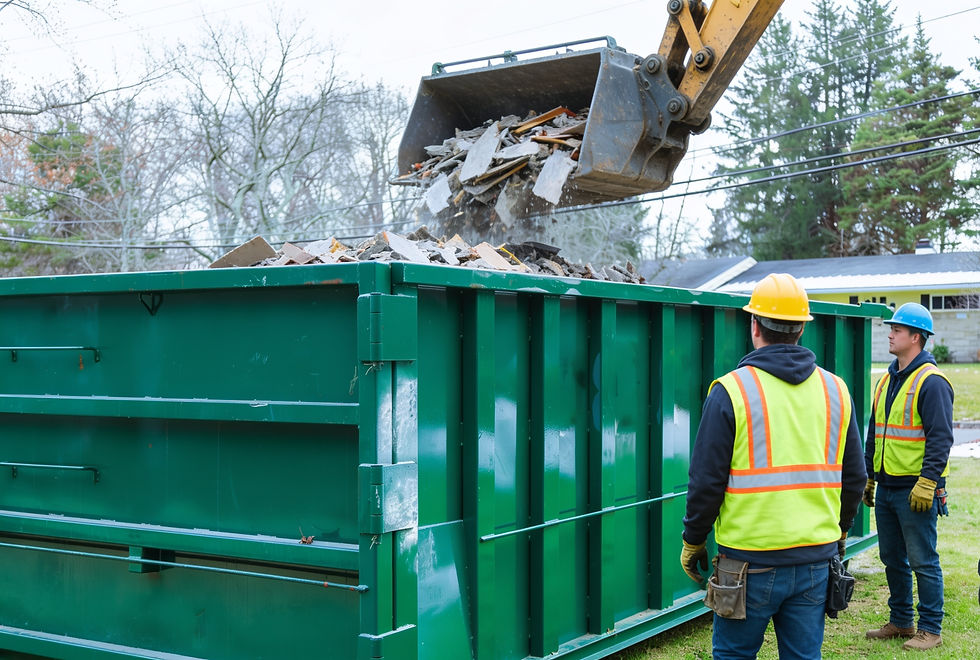
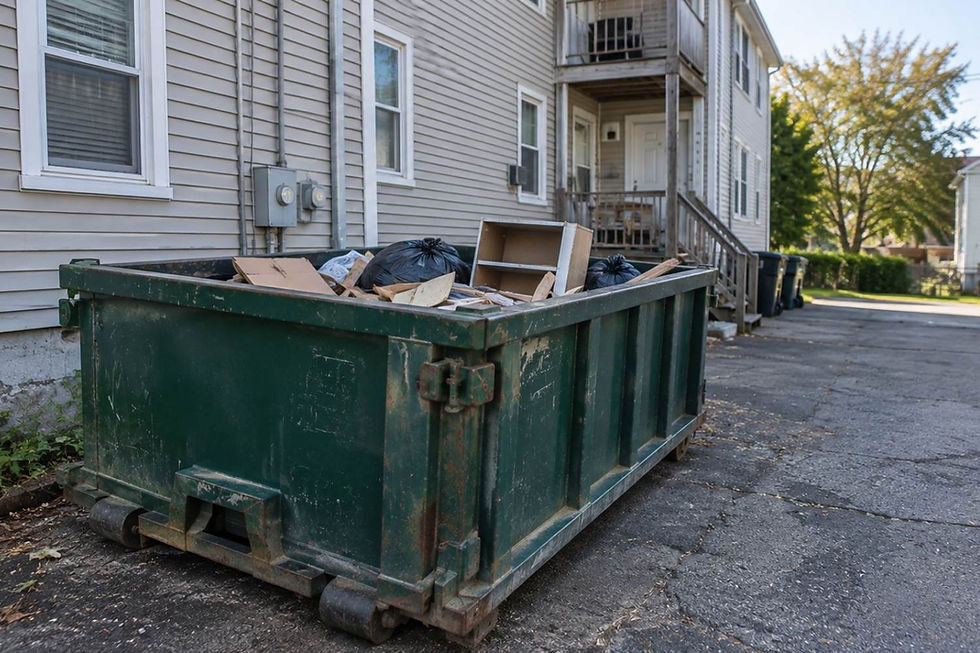
A dumpster gives you one place to stage material as you work, which is why it can be a practical junk removal alternative for estate cleanouts, move-outs, and major decluttering projects.
You Need Several Days to Sort
Not every item should be discarded immediately. During a large cleanout, homeowners often separate belongings into items to keep, donate, sell, recycle, or dispose of.
A.J. Novella’s standard rentals are seven days, with extensions available upon request.
You Expect the Scope to Grow
Cleanouts are notorious for expanding. The visible clutter is only part of the job. Once storage areas are emptied, you may discover damaged shelving, old rugs, broken fixtures, or other materials that also need to go.
You Want More Control Over the Pace
With a roll-off container, you control when loading happens, which can reduce the pressure of finishing everything in one appointment.

How to Choose Between a Dumpster and Junk Removal
Junk removal often works well for a few bulky items when speed and labor are the main concerns, while a dumpster is usually more practical for larger cleanouts that take several days or involve mixed debris.
Cost depends on factors such as volume, weight, labor, rental length, and material type, so compare the full project scope and confirm weight limits, restricted items, overage fees, and extension policies before booking.
Use this five-step process before you book either service.
1. Estimate the Volume
Walk through every room involved in the cleanout. Count bulky pieces and note how many bags, boxes, loose materials, and renovation leftovers you expect to remove.
2. Decide Who Will Do the Lifting
If you cannot or do not want to move heavy items, a labor-based service may be the better fit. If you have help and are comfortable loading material yourself, a dumpster gives you more control over the schedule.
3. Consider the Timeline
Ask whether the project can realistically be completed in one appointment. If you need time to sort, donate, dismantle, or make decisions, a multi-day dumpster rental may fit the workflow better.
4. Separate Special Materials
Do not assume every item from a home cleanout belongs in the same container. Connecticut DEEP identifies household hazardous waste as materials that can be toxic, flammable, reactive, or corrosive, including items such as oil-based paints, thinners, pesticides, pool chemicals, mercury-containing products, and gasoline. These materials require appropriate collection or disposal pathways rather than ordinary trash handling.
Connecticut DEEP also notes that furniture, mattresses, rugs, carpets, and other oversized household items can be handled through municipal transfer systems, but local acceptance rules vary. Check municipal guidance and confirm the dumpster provider’s material restrictions before loading.
5. Compare convenience, not just the initial quote
Look at the entire job, including extra labor, access challenges, and whether the cleanout may take longer than expected.

Why Large Furniture Cleanouts Create So Much Waste
Large furniture cleanouts can create more waste than homeowners expect. Sofas, mattresses, tables, cabinets, shelving, and other bulky items take up significant space, especially when several rooms are being cleared at once.
Bulky Items Take Up Space Quickly
Furniture is large by design. Even a few pieces can occupy a substantial amount of space in a truck or cleanout container. Items such as couches, bed frames, dressers, and dining sets can make a relatively small cleanout feel much larger.
Furniture Is Not Always Easy to Break Down
Some furniture can be dismantled, but many pieces contain wood, metal, fabric, foam, glass, or other materials that make disassembly time-consuming. Large or awkward items may also require more than one person to move safely.
Cleanouts Often Include More Than Furniture
A furniture cleanout rarely involves furniture alone. Homeowners may also need to remove boxes, rugs, household clutter, shelving, old décor, broken fixtures, and other unwanted items. This mixed debris can increase the overall volume of the project and make disposal planning more important.
Not Every Item Needs to Be Thrown Away
Furniture that remains in usable condition may be suitable for donation, resale, reuse, or another local outlet. Damaged, heavily worn, or unusable pieces may require disposal instead.
Sorting items before the cleanout can reduce unnecessary waste and make the project easier to manage.
Container Size Depends on the Entire Cleanout
The right cleanout container depends on more than the number of furniture pieces involved. Homeowners should consider the total volume of debris, the size of bulky items, the weight of the materials, and whether additional waste will be generated during the project. Choosing enough capacity from the start can help avoid running out of space midway through the cleanout.
Disposal Requirements Can Vary
Before starting a large cleanout, homeowners should confirm local disposal requirements, container placement rules, material restrictions, and any special handling requirements for certain items. Planning these details ahead of time can help prevent delays once the cleanup begins.
Frequently Asked Questions
How far in advance should I book a dumpster near me in Greater Danbury?
Booking early can provide more scheduling flexibility, especially if you need a specific delivery window. Availability varies, so confirm your preferred date before organizing the cleanout.
Do I need to be home when a cleanout container is delivered?
That depends on the provider and the placement instructions. Confirm whether someone must be present and make sure the delivery area is clearly identified and accessible.
What should I check before arranging bulky item disposal at a condo or HOA property in Danbury?
Check association or property-management rules, access limits, and approved placement areas before scheduling. Some properties may have requirements that differ from those for single-family homes.
Can I rent a dumpster during winter in Greater Danbury?
Dumpster rentals may still be available during colder months, but snow, ice, and site access can affect delivery or pickup. Keep the placement area accessible and confirm scheduling requirements in advance.
What happens if I need to reschedule dumpster delivery or pickup?
Contact the provider as early as possible. Changes generally depend on routing and availability, so confirm the revised delivery or pickup time rather than assuming it can be changed automatically.
Find the Right Dumpster for Your Cleanout
If you’re searching for a dumpster near Greater Danbury home cleanout, A.J. Novella Roll-Off Services offers 10-yard, 15-yard, and 20-yard dumpster rentals for residential projects throughout the area. Standard rentals are seven days, with extensions available upon request.
Request a free quote to discuss your project, container size, scheduling needs, and the materials you expect to remove.