How to Load a Roll-Off Dumpster Properly: Weight Limits, Even Loading, & Safety Tips

Updated: May 5

Roll-off dumpsters make large cleanups manageable, but how you load them determines whether the job stays efficient or turns into an expensive problem. Improper loading can create safety hazards, delay pickups, and lead to overweight disposal fees.
The solution is straightforward: load your roll-off dumpster evenly, stay within weight limits, and follow essential safety practices.
Quick Facts ⬇
Always distribute debris evenly across the container to prevent tipping during pickup.
Load heavy materials first and place them along the bottom of the dumpster.
Break down large items to maximize space and improve weight distribution.
Keep debris below the top rim to allow safe transport.
Avoid placing prohibited materials such as chemicals, batteries, or electronics in standard dumpsters.
What’s In This Guide ⬇
What Is a Roll-Off Dumpster
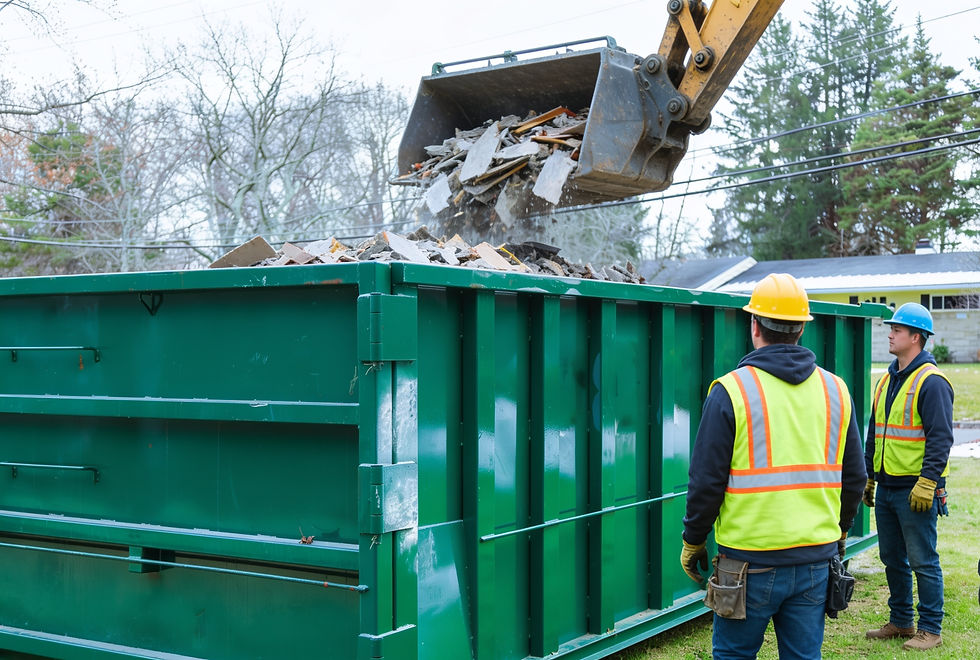
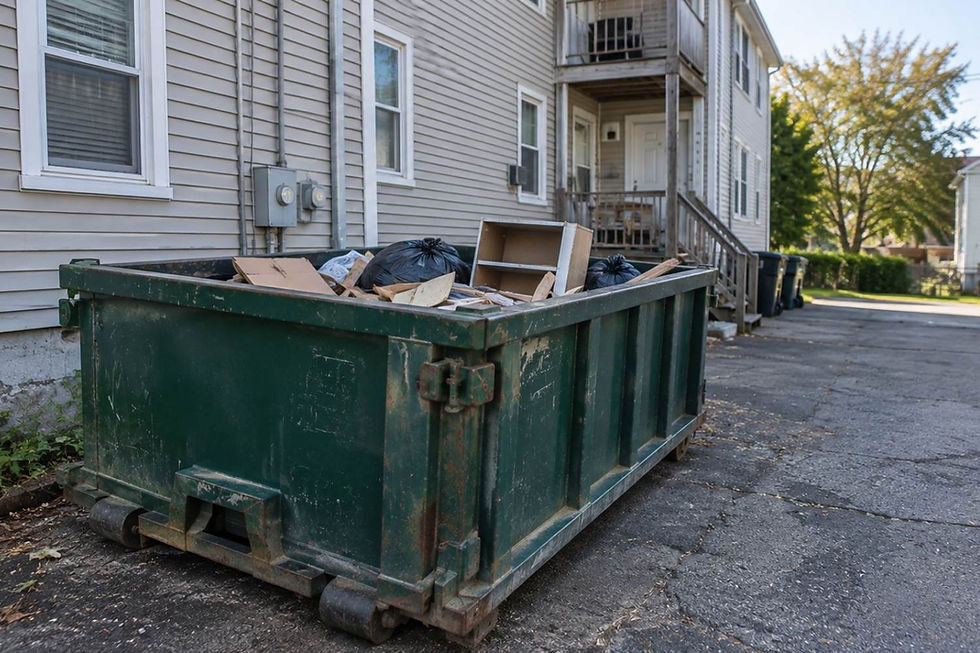
A roll-off dumpster is a large, open-top waste container used for temporary debris removal during construction, renovation, and large cleanup projects. It is delivered by a specialized truck that tilts its bed so the container can roll off onto the ground, which is how the dumpster gets its name.
These containers are typically placed in driveways, construction sites, parking lots, or designated waste staging areas. Once the project is complete or the dumpster is full, the hauling truck returns to load the container back onto the truck and transport the debris to a landfill, transfer station, or recycling facility.
How Roll-Off Dumpsters Work
Roll-off dumpsters are designed for short-term waste management during projects that generate large amounts of debris, such as home renovations, roofing work, property cleanouts, and construction jobs.
Because these containers are lifted and transported on trucks along public roads, they must be loaded properly to ensure safe handling. Debris should be distributed evenly and kept below the top edge of the container. Overloaded or uneven dumpsters can shift during lifting or transport, which creates safety risks and may delay pickup.
Typical Dumpster Sizes for Residential and Construction Projects
Roll-off dumpsters come in several sizes designed to match the scale of different projects.
10-yard dumpsters
Commonly used for small cleanouts, garage or attic decluttering, and minor remodeling work.
15-yard dumpsters
A mid-size option often used for deck removal, flooring replacement, or medium renovation projects.
20-yard dumpsters
A popular size for roofing projects, full-room renovations, and larger construction jobs.
Why Loading Them Correctly Matters
Correct loading is not only about fitting more debris inside the container. It affects safety, transport, and cost.
Balanced loads allow the dumpster truck’s hydraulic system to lift the container safely. Uneven loads can shift the center of gravity and create lifting issues during pickup.
Proper loading also prevents debris from spilling during transportation. Waste hauling companies must comply with road safety regulations that require debris to remain securely contained during transport.
Finally, distributing debris evenly helps you stay within weight limits. When heavy materials accumulate in one area, the overall load may exceed the allowable tonnage even if the container does not appear full.

What Are Dumpster Weight Limits?
Every roll-off dumpster includes a weight allowance. This limit represents the maximum tonnage that can be transported and disposed of under the rental agreement.
Weight limits are influenced by several factors including:
Dumpster size
Type of debris
Local landfill rules
Truck hauling capacity
Waste disposal facilities charge haulers based on the weight of debris entering the landfill. Because of this, exceeding the allowed weight can result in additional disposal charges.
Typical Weight Ranges by Dumpster Size
Weight allowances vary between providers, but typical ranges include:
Dumpster Size | Typical Weight Limit |
10-yard | 1–3 tons |
15-yard | 2–4 tons |
20-yard | 3–5 tons |
One ton equals 2,000 pounds, which means even moderately sized debris piles can add up quickly.
Why Heavy Materials Add Up Fast
Some materials commonly found in renovation projects are significantly heavier than people expect.
For example, asphalt roofing shingles are dense. The National Roofing Contractors Association reports that a square of asphalt shingles, which covers 100 square feet of roof area, typically weighs between 200 and 350 pounds depending on the shingle type.
Concrete, bricks, and soil are even heavier. A single cubic yard of concrete can weigh around 4,000 pounds. Loading large amounts of these materials into a standard dumpster can quickly push the container beyond its allowed weight.
Consequences of Exceeding Weight Limits
Exceeding the allowed tonnage can create several problems:
Additional landfill disposal charges
Required removal of excess debris before pickup
Delays in project cleanup
In some cases, the container may be too heavy for the truck to safely lift. If this happens, materials must be removed to reduce the load before the dumpster can be transported.
How to Load a Roll-Off Dumpster Properly (Step-by-Step)
Loading a dumpster correctly follows a simple process that focuses on balance, efficiency, and safety.
Step 1: Place Flat Materials on the Bottom
Start by laying flat debris along the bottom of the container. This may include items such as drywall sheets, plywood, paneling, or flattened furniture. Flat items create a stable base that helps distribute weight across the floor of the container.
Step 2: Distribute Weight Evenly
As you add debris, spread materials across the entire container rather than concentrating them in one spot. Even weight distribution prevents one side of the dumpster from becoming heavier than the other. Balanced loads are easier for the truck to lift and transport. If you are loading debris over several days, periodically step back and check how the material is distributed inside the container.
Step 3: Break Down Large Items
Bulky items often waste space when they are thrown in whole.
Disassemble furniture, shelving, and cabinetry before loading them into the dumpster. Breaking items into smaller pieces helps maximize available space and keeps the container organized.
This step also makes it easier to place debris evenly inside the dumpster.
Step 4: Load Heavy Debris First
Dense materials such as bricks, tiles, and concrete should go into the container early in the loading process. Place these materials along the bottom of the dumpster and spread them evenly from end to end. This approach keeps heavy items from stacking on top of lighter debris later in the process.
Step 5: Fill Gaps With Smaller Debris
Once the base layers are established, smaller items can be used to fill gaps between larger pieces. This method increases the amount of debris you can fit into the container without creating unstable piles. Examples of gap-filling materials include broken drywall pieces, wood scraps, and smaller household debris.
Step 6: Keep Debris Below the Fill Line
Roll-off dumpsters must be loaded level with the top edge of the container. Debris that sticks out above the rim creates safety risks during transport. Trucks often place tarps over containers before hauling them, and protruding debris can prevent proper covering. Keeping materials below the fill line ensures the dumpster can be safely hauled away.
Safety Tips When Loading a Dumpster
Loading debris involves physical work and potential hazards. Basic safety practices can reduce the risk of injury.
1. Wear Proper Safety Gear
Protective equipment helps prevent common job site injuries.
Recommended gear includes:
Work gloves
Steel-toe boots
Safety glasses
Gloves protect hands from sharp debris such as broken glass, nails, or metal edges.
2. Use Proper Lifting Techniques
Improper lifting is a common cause of workplace injuries. The Occupational Safety and Health Administration notes that lifting heavy loads incorrectly can lead to strains and musculoskeletal injuries.
To lift safely:
Bend at the knees
Keep the load close to your body
Lift using your legs rather than your back
Avoid twisting your torso while carrying heavy items.
3. Use the Dumpster Door When Available
Many roll-off dumpsters include a swing-open door at one end.
Instead of lifting heavy items over the side of the container, walk them through the door and place them inside. This reduces strain and makes it easier to position debris evenly.
4. Keep the Area Around the Dumpster Clear
Maintain a clear path around the container.
Loose debris, tools, or scattered materials near the dumpster can create tripping hazards for anyone loading waste. A clear loading area also helps workers move large items safely.
5. Watch for Prohibited Items
Certain materials cannot be placed in standard roll-off dumpsters due to environmental regulations.
Common prohibited items include:
Paint and solvents
Automotive fluids
Batteries
Electronics
Tires
The Environmental Protection Agency regulates the disposal of hazardous waste because improper handling can contaminate soil and groundwater. These materials should be taken to designated hazardous waste facilities.

5 Common Dumpster Loading Mistakes to Avoid
Even experienced contractors sometimes make loading mistakes that create problems later.
Overloading the Container
One of the most common issues is filling the dumpster above the rim.
This may seem like a simple way to fit more debris into the container, but it can prevent safe transportation and require materials to be removed before pickup.
Concentrating Weight in One Area
Heavy debris piled in a single corner can cause the dumpster to tilt during lifting.
Spreading weight evenly across the container floor prevents balance issues.
Throwing in Hazardous Materials
Items such as chemicals, solvents, and batteries must be disposed of through specialized facilities. Mixing hazardous waste with construction debris can result in fines or rejected loads at disposal facilities.
Ignoring Local Disposal Regulations
Waste disposal regulations can vary by location. Some municipalities restrict certain materials from entering landfills. Checking local waste guidelines before loading a dumpster can prevent delays and compliance issues.
Choosing the Wrong Dumpster Size
A container that is too small often leads to overfilling. A container that is too large may increase project costs unnecessarily.
Selecting the correct dumpster size helps maintain safe loading conditions and efficient waste removal.
What Types of Debris Are Safe for Roll-Off Dumpsters?
Common Accepted Materials
Roll-off dumpsters are designed to handle a wide range of debris generated during residential and construction projects.
Common acceptable materials include:
Household junk
Furniture
Wood and drywall
Roofing shingles
Flooring materials
Yard debris
These materials are commonly processed at landfill or recycling facilities.
Materials That May Require Special Disposal
Some items require additional processing or special disposal procedures.
Examples include:
Refrigerators and appliances
Paint and chemicals
Electronics
Fluorescent light bulbs
These items often contain components that must be handled separately due to environmental regulations. Checking disposal rules before loading a dumpster helps ensure proper waste management.
Frequently Asked Questions
How full can a roll-off dumpster be?
A roll-off dumpster should be filled only to the top rim of the container. Debris extending above the edge creates transportation hazards and may prevent pickup.
What happens if a dumpster is too heavy?
If the container exceeds its weight limit, additional disposal charges may apply. In some cases, excess debris must be removed before the dumpster can be transported.
Can heavy materials like concrete go into a roll-off dumpster?
Yes, but dense materials such as concrete or bricks are often restricted to smaller loads or designated containers. This prevents the total weight from exceeding hauling limits.
Should I load the dumpster all at once or gradually?
Either approach works as long as debris is distributed evenly. Gradual loading allows you to monitor weight distribution and avoid overfilling.
Can rain affect dumpster weight?
Yes. Rainwater can soak into materials such as wood, drywall, or carpet, increasing their weight. During long projects, covering the dumpster during heavy rain can help reduce unnecessary weight.

Load Your Dumpster the Right Way for a Safer, More Efficient Cleanup
Proper dumpster loading helps keep renovation and construction projects organized, safe, and cost-effective. Spreading debris evenly, placing heavy materials at the bottom, and keeping waste below the fill line allows dumpsters to be transported safely and prevents unnecessary disposal fees.
Simple preparation also improves safety on the job site. Wearing protective gear, lifting correctly, and maintaining a clear loading area can reduce the risk of injuries during cleanup.
Working with an experienced roll-off provider also makes the process easier. A.J. Novella Roll-Off Services helps homeowners, contractors, and property managers select the right dumpster size and manage debris removal efficiently during renovations, cleanouts, and construction projects.