Tidy Up Fast! How a Waste Management Roll Off Dumpster Makes Cleanouts a Breeze

Updated: Aug 19, 2025

Garages, basements, and attics often become the default storage zones for everything that doesn’t have a proper place. Over time, those once-useful spaces fill with forgotten boxes, outdated furniture, and clutter that feels too overwhelming to tackle. Sorting through it all is a big job—and one that’s easy to keep putting off.
Here are five ways a roll-off dumpster makes garage, basement, and attic cleanouts faster, easier, and far less stressful.
Table of Contents
Key Takeaways✔ A roll-off dumpster keeps clutter contained during cleanouts, making the process safer and more organized. ✔ Using a dumpster eliminates time-consuming trips to the dump or waiting for bulk pickup days. ✔ Dumpsters handle bulky, heavy, and mixed items with ease—perfect for garage, attic, and basement cleanouts. ✔ Renting a dumpster speeds up cleanouts by encouraging one-touch disposal and reducing decision fatigue. ✔ Working with a professional waste management roll off dumpster provider ensures the right size and setup. ✔ Preparing the property ahead of delivery helps avoid damage and delays during the rental period. ✔ Roll-off dumpsters are ideal for multi-day or family cleanouts, keeping everyone on track and the job moving. |

5 Five Ways a Roll-Off Dumpster Makes Cleanouts Faster, Easier, and Less Stressful
1. Keeps the Mess Contained
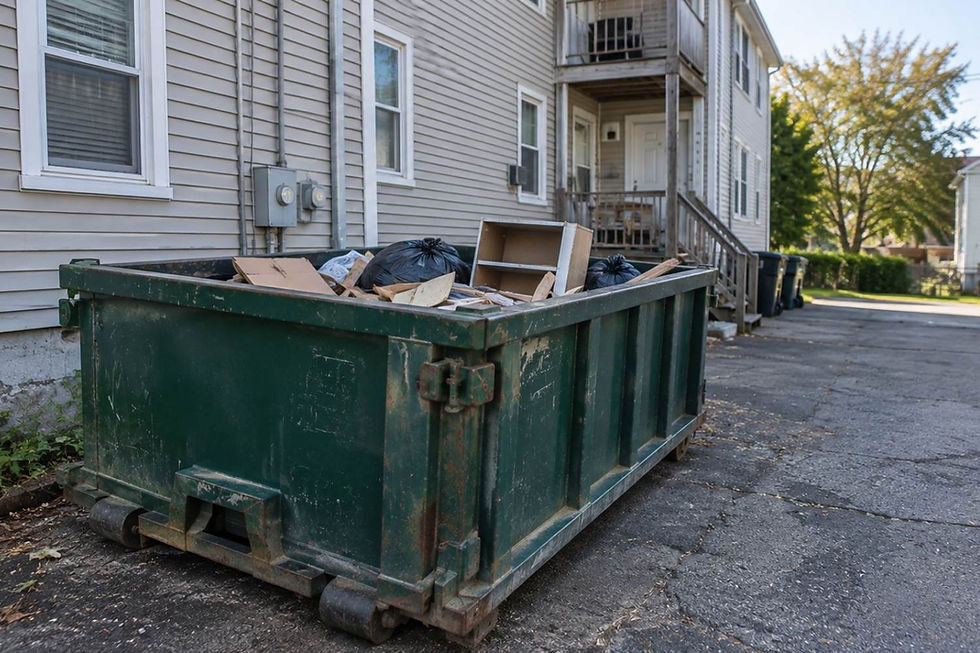
Cleanouts usually start with good intentions but quickly spiral into piles of junk spreading through the home. Hallways, driveways, and spare rooms get taken over by bags, boxes, and broken furniture. A waste management roll off dumpster puts everything in one place, keeping the mess out of the way from start to finish.
How a Dumpster Helps Keep Cleanouts Organized and Contained
Avoids Clutter in Walkways and Doorways: During a basement cleanout, junk often gets stacked near the stairs or front door, making it hard to move around safely. A dumpster lets homeowners toss items right away without turning their home into an obstacle course.
Minimizes the Need for Staging Piles: Some people create “keep,” “donate,” and “toss” piles in the garage or living room, but that just shifts the mess around. With a waste management roll off dumpster outside, the toss pile goes directly into the bin—no extra handling required. This works especially well in attic cleanouts, where it’s difficult to move items through tight staircases. Instead of setting aside broken toys or outdated seasonal decorations, they can be tossed immediately and forgotten.
Controls Overflow from Bulky Items: Oversized pieces like broken cabinets or old patio sets can take up half the garage on their own. A roll-off dumpster holds those large items easily, so there’s no need to cram them in corners or leave them outside exposed to weather. For example, during a garage overhaul, a rusted grill, sagging shelving, and a cracked kayak can all be loaded in without delay.
2. Saves Time by Eliminating Extra Trips
A big part of what slows down cleanouts is figuring out what to do with everything. Driving loads to the dump or donation center takes up time, fuel, and energy. A waste management roll off dumpster skips all that by giving one place for nearly everything.
How Dumpsters Cut Down on Time-Consuming Tasks
No More Back-and-Forth to the Dump: A full garage or basement often fills several carloads of junk. A dumpster eliminates the need for multiple dump runs by handling it all at once.
No Wait for Special Pickup Days: Some cities only collect bulk waste on certain dates, which can delay cleanouts for weeks. A roll-off dumpster allows people to start and finish the job on their schedule, not the city’s.
Everything Gets Tossed as It’s Found: With a dumpster right outside, there’s no reason to stack junk in the driveway or store it until the weekend. This streamlines the process so each box or item is dealt with once—not twice.
3. Handles Just About Anything in One Load
Cleanouts are rarely one-material jobs. One attic might have furniture, insulation, books, electronics, and even broken décor all in the same pile. A waste management roll off dumpster is designed to hold mixed materials without sorting delays.
Why a Dumpster Works for a Variety of Items
Perfect for Mixed Debris: A basement might hold cracked plastic bins, leftover drywall from a past remodel, and broken exercise gear. A dumpster can take all of it together—no special handling or separation required.
Works for Heavy or Awkward Items: Old cast iron sinks, waterlogged carpet, or a pool table no one wants can be too much for curbside pickup. A roll-off container handles heavy, oversized pieces that won’t fit in standard trash bins.
Reduces Sorting Stress Mid-Project: With so many decisions to make during a cleanout, one less sorting step matters. Tossing it all into the dumpster helps keep the momentum going without needing to second-guess every item.
4. Makes Cleaning Safer and Cleaner
Safety isn’t the first thing people think about when starting a cleanout, but it should be. Dusty boxes, rusty tools, and exposed nails can lead to cuts, sneezes, or worse. A waste management roll off dumpster keeps waste in one secure spot and helps prevent accidents.
How Dumpsters Improve Safety During Cleanouts
Keeps Sharp and Hazardous Items Out of the Way: Broken glass from old picture frames, bent nails, or cracked shelving can be dangerous when left on the floor, just as hidden hazards like asbestos pose serious health risks during cleanouts. Asbestos, for example, is often found in older roofing materials, and asbestos fibers can cause serious lung problems if inhaled.
Limits Mold, Dust, and Allergens Indoors: Old basements and attics often hold moldy boxes, mildewed fabric, or dusty books. Getting those materials directly into the dumpster means less exposure to poor air quality.
Reduces Tripping Hazards: Piling junk in the middle of the garage or at the bottom of stairs adds serious risk. A dumpster outside the house keeps walkways clear and cleanup safer.
5. Speeds Up the Entire Cleanout Process
Time adds up fast during a cleanout, especially when clutter gets moved more than once. Delays happen when people stop to reorganize, move trash to temporary spots, or look for a way to haul things away. A waste management roll off dumpster keeps things moving from the moment it’s delivered.
How a Dumpster Keeps the Momentum Going
Encourages One-Touch Decluttering: Each item only needs to be handled once—pull it out, then toss it straight into the dumpster. This keeps the project from dragging on while people second-guess what to do with each piece.
Avoids the Temptation to Save “Maybe” Items: When there’s no pile forming inside, there’s less pressure to hold onto things “just in case.” The presence of a dumpster makes it easier to let go and clear out for good.
Creates a Clear Visual Deadline: Seeing a dumpster sitting in the driveway is a reminder to keep working and wrap things up. When it’s scheduled for pickup in a few days, that deadline helps push the project to completion—without letting it drag out for weeks.
How to Choose the Right Dumpster Size for a Cleanout
Picking the right dumpster size can make or break a cleanout project. Go too small, and there’s a risk of overfilling and paying for a second rental. Go too big, and money goes to unused space. Working with a professional waste management roll off dumpster provider ensures the right fit—and fewer surprises mid-project.
1. Know What’s Being Tossed
The best size depends on what’s going in. A small attic with only boxes and holiday decorations might not need the same space as a garage filled with shelving units and old tools. Listing out bulky items ahead of time helps professionals recommend the right dumpster for the job.
2. Consider the Type of Space Being Cleaned
Different spaces come with different types of clutter. Attics usually hold lightweight but bulky items like bedding, faux trees, or empty boxes. A garage or basement, on the other hand, often contains dense, heavy junk like metal equipment, flooring scraps, or broken appliances that fill up space faster. Explore specific dumpster sizes based on your needs.
A 10-Yard Dumpster Works for Light Cleanouts
For minor cleanouts—like a small attic or half-full garage—a 10-yard dumpster typically does the trick. It holds roughly three pickup truck loads of debris and fits easily in a driveway. It’s a good starter size when there's limited clutter but enough to skip bagging everything for curb pickup.
A 15-Yard Dumpster Is a Safe Middle Ground
A 15-yard dumpster is ideal for mid-sized cleanouts, such as a packed single-car garage or a partially finished basement. It can hold furniture, broken shelving, and dozens of trash bags without maxing out too soon. It’s often the best all-around choice when unsure how much will be tossed.
A 20-Yard Dumpster Handles Big Jobs
For whole-home cleanouts, full basements, or multi-room decluttering, a 20-yard dumpster offers the most space. It fits large furniture, appliances, and bulkier waste like wood, insulation, and rolled carpet. It’s a common choice for estate cleanouts or post-renovation sorting when volume is high.
3. Let Professionals Help Estimate the Load
Most homeowners underestimate how much junk adds up during a cleanout. Experienced dumpster providers can gauge the right size by asking a few questions about what’s being removed and from where. A reliable waste management roll off dumpster company helps avoid underbooking or overpaying—making the whole process smoother.

How to Prepare a Property for Dumpster Delivery
Getting ready for a dumpster delivery isn’t complicated, but a few simple steps can save time, prevent damage, and avoid last-minute problems. Whether the cleanout is happening in a driveway, alley, or yard, a little prep goes a long way. A professional waste management roll off dumpster provider can walk through these steps, but it helps to know what to expect before the truck arrives.
1. Choose a Flat, Clear Spot
The dumpster needs to sit on a flat surface to avoid shifting or tipping when loaded. A driveway is usually the safest bet, but a gravel pad or flat section of yard can work too. Clear away any toys, bikes, or bins at least 10 feet around the drop zone so the truck can back in safely.
2. Check for Overhead Obstructions
Power lines, tree branches, basketball hoops, and even satellite dishes can block the delivery truck from lifting and setting the dumpster. There should be at least 20–25 feet of vertical clearance where the container will be placed. A professional driver can help spot trouble areas, but checking ahead of time keeps the process smooth.
3. Lay Down Boards for Driveway Protection
Heavy dumpsters can leave marks or cracks in asphalt and concrete driveways. Placing wooden boards—like 2x6 planks—under the dumpster’s wheels helps spread the weight and prevents surface damage. Many reputable waste management roll off dumpster companies will suggest this or offer protection options during scheduling.
4. Secure a Permit if Needed
Some towns require a temporary permit if the dumpster will be placed on a public street or sidewalk, and the rules vary by city. A professional dumpster provider often helps handle permits or guides the process so there are no fines or unexpected delays. In the same way, for restricted hazardous materials that cannot be placed in a regular dumpster, the United States Environmental Protection Agency (EPA) enforces strict regulations to ensure proper handling and disposal.
5. Communicate Placement Instructions Clearly
If no one will be home during delivery, it’s essential to give clear placement instructions ahead of time. Use landmarks like “to the left of the garage” or “in front of the second bay door” to prevent confusion. Many providers allow customers to mark the area with cones or chalk as an extra precaution.
6. Prepare for the Cleanup Flow
Think through how items will move from the cleanout area to the dumpster. If cleaning out a basement, make sure stairs are clear and a direct path to the container is open. Working with an experienced waste management roll off dumpster team helps map out the best access route so cleanup stays efficient from the first load to the last.

How to Use a Dumpster for Multi-Day or Family Cleanouts
When a cleanout stretches over several days—or involves help from family and friends—a little coordination makes a big difference. Dumpsters are perfect for projects that can’t be finished in one afternoon, especially when working through an inherited home, long-neglected garage, or full-house declutter. A trusted waste management roll off dumpster provider can help plan the schedule, offer helpful tips, and make sure everything runs smoothly from delivery to pickup.
1. Schedule Enough Time for Everyone Involved
Multi-day cleanouts require flexibility, especially when multiple people are helping on different days. Renting the dumpster for five to seven days gives each participant time to sort, toss, and contribute without pressure. A professional provider can help estimate the right rental window based on the project’s size and pace.
2. Set Clear Goals for Each Day
Without structure, multi-day cleanouts can lose momentum. Creating a plan—like clearing the attic on day one and tackling the basement on day two—keeps everyone focused and moving forward. A shared checklist on paper or phone helps family members stay on the same page, even if working in shifts.
3. Use Zones to Avoid Confusion
Assign areas like “donate,” “keep,” and “toss” zones in the garage or driveway so nothing gets mixed up. Make sure the dumpster is clearly labeled as the “toss” zone and positioned for easy access. A professional waste management roll off dumpster crew can suggest the best location based on project flow and layout.
4. Watch for Emotional Roadblocks
When cleaning out family homes or old storage areas, emotions can slow progress. Sentimental items might bring up memories that make it hard to decide what to keep or toss. Build in extra time for those moments and lean on the group for support—rushing only makes things harder.
5. Keep Safety a Priority Over Speed
Working over multiple days means fatigue can set in—especially when moving heavy or awkward items. Provide gloves, masks, and sturdy footwear for everyone, and make sure kids and pets stay clear of the dumpster. A reputable provider will place the waste management roll off dumpster where it won’t block walkways or create hazards.
6. Plan the Final Push and Pickup
Choose a day to wrap things up and walk through the space one last time. This final pass often reveals a few last-minute items that didn’t make it out earlier. Let the dumpster company know in advance when pickup should happen so the container is gone shortly after the job is done, leaving behind a clear space and a fresh start.
Frequently Asked Questions (FAQs)
Can a dumpster be used during bad weather?
Yes, a dumpster can still be used during rain or snow. However, it’s best to keep the lid closed (if available) or cover the contents with a tarp to prevent water damage and added weight. A professional waste management roll off dumpster provider can offer weather tips or suggest the right container type for seasonal use.
Is there a weight limit for what can be put in the dumpster?
Yes, each dumpster has a weight limit based on size and local landfill rules. Exceeding the limit can lead to extra charges, so it’s important to ask the provider about what materials weigh the most—like concrete or shingles. A reliable waste management roll off dumpster company will walk through weight limits before delivery to help avoid surprises.
Do I need to be present when the dumpster is delivered or picked up?
Not necessarily, as long as placement instructions are clear and the drop-off area is prepared. Marking the spot with cones or leaving a note can help ensure accurate delivery. A trusted waste management roll off dumpster provider will coordinate in advance to make sure the process goes smoothly even if no one is home.
Can dumpsters be locked or secured overnight?
Some dumpster models offer lockable lids, or a tarp and ratchet strap can be used to keep others from adding their trash. This is especially helpful in shared spaces or when the container sits in a public area for several days. Ask the waste management roll off dumpster company about securing options during booking.
What happens to the waste after pickup?
After the dumpster is hauled away, the contents are transported to a sorting facility or landfill depending on local policies. Many providers separate recyclables from general debris to minimize landfill use. Choosing a professional waste management roll off dumpster service ensures the material is handled responsibly and in compliance with regulations.

Clear the Clutter Fast with A.J. Novella Roll-Off Services
When it’s time to tackle a big cleanout, A.J. Novella Roll-Off Services delivers dependable, no-hassle dumpster rentals right to your driveway. Our team makes it easy to manage garage, basement, or attic projects without the stress of endless dump runs. With fast delivery, flexible sizing, and a reputation built on real service—not just drop-offs—you’ll stay focused on the task while they handle the waste.